Aquaculture

Driving innovation as one of the leading IoT companies in the aquaculture industry with sustainable and advanced IoT solutions

How Can AI and IoT in Aquaculture Enhance Your Operations?

Remote Monitoring

Once the real-time data collected from sensors deployed in fish farms is shared with a remote monitoring system, it can give better insights to the farmers. The IoT based aquaculture monitoring system can help aquaculture workers understand information about aquaculture water bodies, such as pH value, dissolved oxygen concentration, ammonia-nitrogen content, water level control, pump control, aeration control and temperature, and improve their operations.

Automation and Efficiency

With a robust IoT solution in aquaculture, farmers can streamline their operations. IoT can help them automate routine tasks such as feeding, water quality monitoring, and environmental control, which results in optimized resources and enhanced productivity. It can reduce manual labor and ensure precision and consistency, leading to healthier aquatic ecosystems and higher yields.

Data-Driven Decision Making

Using the insights extracted from remote monitoring, farmers can also make timely and accurate choices. Aquaculture workers can analyze the data trends and patterns to help them optimize feeding schedules, adjust environmental conditions, and predict harvest times. These insights lead to more informed decisions, ultimately boosting productivity and profitability.

Early Disease Detection

Disease detection is one of the leading challenges in aquaculture. Once the IoT sensors monitor various parameters such as water quality, fish behavior, and growth patterns, the data can be safely communicated with the cloud using a customized connector to detect subtle changes and anomalies that may indicate the onset of a disease. Implementing these solutions can significantly enhance preventive measures and improve overall fish health.

Environmental Sustainability

IoT in aquaponics is important in ensuring that aquaculture practices are environment-friendly. By monitoring and adjusting water quality, nutrient levels, and energy usage, IoT solutions contribute to creating a balanced and sustainable ecosystem. Automated systems can then make immediate adjustments based on the data extracted from the sensors installed in the farm fields.

Improved Production and Profitability

By integrating smart IoT solutions, farmers can optimize every aspect of the production process. Real-time data allows for precise control over feeding schedules, water quality, and environmental conditions, ensuring optimal growth and maximizing yields. It leads to increased production and ensures that resources are used efficiently for better profitability.

Industries We Serve

We create simple IoT solutions to help you meet your unique needs and goals

agriculture

water treatment

oil and gas industry

transportation and infrastructure

construction

Food and Beverage

Renewable Energy Sector

Telecommunications

Chemical and Petrochemical

agriculture

water treatment

oil and gas industry

transportation and infrastructure

construction

Food and Beverage

Renewable Energy Sector

Telecommunications

Chemical and Petrochemical

Case studies

14 Oct 2025
This case study details how an operator implemented the Terra M Level Sensor and multi-sensor integration to optimize the proportional dosing of their product.
13 Oct 2025
This case study illustrates how a large aquatic facility implemented the Terra S Salt Chlorinator-Based Controller to achieve 40% lower energy consumption.
7 Oct 2025
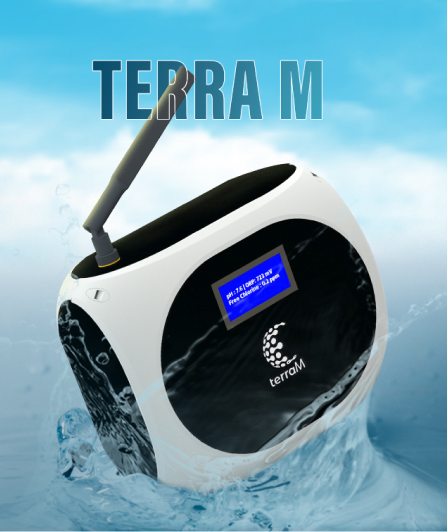
This case study details how a municipal water utility upgraded a critical pump station with Terra M to gain intelligent control and eliminate downtime.
7 Oct 2025
This case study describes the successful transformation of a major UV-based industrial water treatment facility after the implementation of Terra M.